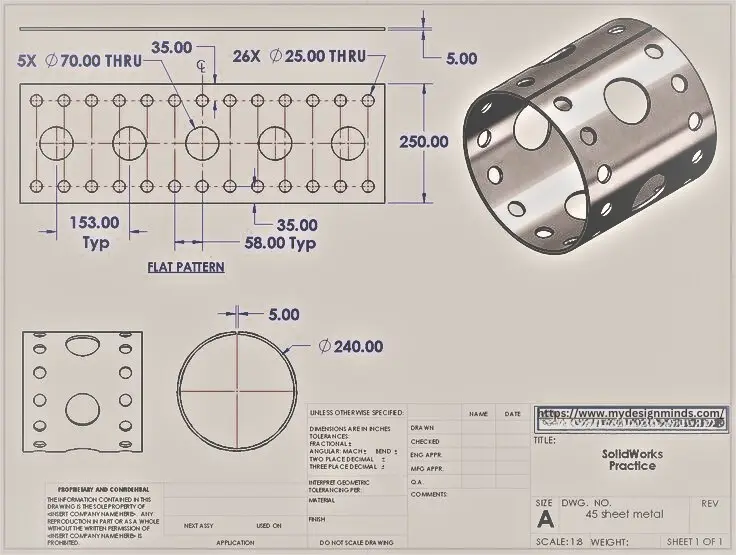
Turning an idea into a successful physical product requires much more than creating an attractive concept. A product must be functional, manufacturable, reliable, cost-effective, and suitable for real-world use. This is where Mechanical Product Design plays an important role by connecting an initial idea with engineering development and eventual manufacturing.
From the first concept sketch to detailed CAD models, prototypes, testing, and production preparation, a structured design process helps identify problems early and create a product that is ready for the next stage.
1. Start With a Clear Product Concept
Every successful product begins with a clearly defined problem and purpose. Before developing detailed designs, it is important to understand what the product needs to do, who will use it, where it will operate, and what requirements it must satisfy.
Designers consider factors such as dimensions, functionality, operating conditions, expected loads, materials, target cost, and production quantity. A clear set of requirements provides direction throughout the development process.
2. Transform Ideas Into Engineering Concepts
An initial idea may look simple, but converting it into a practical product requires careful engineering decisions. Different mechanisms, materials, manufacturing methods, and component arrangements may need to be evaluated.
During mechanical product development, designers can create multiple concepts and compare their functionality, complexity, manufacturing requirements, and potential limitations. This stage allows improvements to be made before significant resources are invested in detailed development.
3. Develop Detailed CAD Models
Once the basic concept is established, 3D CAD modeling can turn the idea into a detailed digital product. Individual components, assemblies, mounting features, interfaces, and moving parts can be modeled and reviewed.
CAD allows designers to examine dimensions, clearances, component relationships, and potential interference between parts. It also creates technical information that can later support drawings, prototyping, manufacturing, and assembly.
Good product design engineering considers both the appearance and the engineering requirements of the product. The final design should be functional while remaining practical to manufacture and assemble.
4. Select Suitable Materials
Material selection directly affects product strength, weight, durability, appearance, thermal performance, and cost.
Depending on the application, designers may consider aluminium, steel, stainless steel, engineering plastics, composites, or other specialized materials. The selected material should match the expected operating environment and manufacturing process.
For example, a lightweight consumer product may require different material characteristics from a machine component exposed to continuous loads and vibration.
5. Design for Manufacturing
A product that works perfectly in CAD may still be difficult or expensive to manufacture. Design for Manufacturing helps ensure that components can be produced consistently using appropriate processes.
Manufacturing methods such as CNC machining, sheet-metal fabrication, injection molding, die casting, 3D printing, and aluminium extrusion may be considered according to the product’s geometry and production volume.
Production-ready product design takes manufacturing constraints into account before the design reaches the production stage. This can reduce unnecessary features, excessive tolerances, complicated assemblies, and avoidable production costs.
6. Build and Evaluate Prototypes
Prototyping provides an opportunity to evaluate how the product performs outside the digital environment. A prototype can reveal problems involving fit, movement, ergonomics, assembly, strength, appearance, or usability.
Depending on the project, prototypes may be created using 3D printing, CNC machining, sheet metal, or other suitable processes.
Testing the prototype allows designers to gather practical feedback and make necessary improvements before committing to larger production quantities.
7. Optimize the Product
Product development is often an iterative process. Feedback from testing can lead to changes in geometry, material, component placement, fastening, manufacturing method, or overall construction.
Mechanical Product Design helps organize these improvements by bringing functional requirements, engineering considerations, and manufacturing constraints together.
The objective is not simply to create a working prototype. The goal is to develop a product that can perform consistently while being practical to manufacture, assemble, maintain, and scale.
8. Prepare for Production
Before manufacturing begins, the design should be supported by appropriate engineering documentation. Depending on the project, this may include detailed drawings, dimensions, tolerances, material specifications, assembly information, BOMs, and manufacturing instructions.
A well-prepared design package helps manufacturers understand exactly what needs to be produced and reduces ambiguity during production.
This stage is where production-ready product design becomes particularly valuable because the design is prepared with real manufacturing and assembly requirements in mind.
Benefits of Professional Product Design
Professional design support can help businesses identify engineering challenges before they become expensive production problems. It can also improve product functionality, manufacturing efficiency, assembly, durability, and overall development planning.
For startups and established businesses alike, product design engineering provides a structured connection between product ideas and practical engineering solutions.
A well-managed mechanical product development process can also shorten iterations by identifying design issues earlier and providing a clear path from concept to prototype and production.
Why Choose My Design Minds?
My Design Minds helps businesses transform product concepts into practical engineering solutions through CAD, product design, prototyping, and manufacturing support. The team works with startups, entrepreneurs, and established businesses to develop concepts, 3D models, assemblies, and detailed engineering designs. By combining design thinking with manufacturing awareness, My Design Minds helps clients evaluate functionality, materials, components, assembly, and production requirements during development. Whether you are developing a new industrial product, improving an existing component, or preparing a concept for manufacturing, the team can provide structured technical support. From initial idea to prototype and production planning, My Design Minds focuses on creating practical, reliable, and manufacturable product solutions.