Introduction
Developing a successful product requires more than creating an attractive concept. A product must function correctly, meet customer requirements, be practical to manufacture, and provide consistent performance. This is where industrial engineering and product design work together.
Industrial Engineering Design connects design decisions with engineering, manufacturing, assembly, quality, and operational requirements. When these disciplines collaborate from the beginning, businesses can identify potential problems earlier and create products that are easier to develop, manufacture, assemble, and maintain.
For startups, SMEs, and established manufacturers, bringing design and engineering together can create a more organised product development process.
Understanding the Role of Product Design
Product design focuses on how a product looks, functions, feels, and interacts with its users. Designers consider customer expectations, ergonomics, appearance, usability, materials, dimensions, and overall product experience.
However, a concept that looks excellent may not always be practical to manufacture. Design decisions can affect material consumption, tooling, assembly, production time, and cost.
This is why Product Design Engineering is important. It combines creative product thinking with technical engineering considerations, helping transform ideas into practical products.
Connecting Design With Manufacturing
Manufacturing requirements should be considered before a product design is finalised. Component geometry, material selection, tolerances, tooling, production methods, and assembly processes can all influence the final product.
Engineers can review a design and identify features that may be difficult or expensive to manufacture. Designers can then modify the concept while maintaining its intended functionality and appearance.
This collaborative approach supports Industrial Product Design by making manufacturability part of the design discussion rather than treating it as a separate stage.
Improving Product Functionality
A product must perform its intended purpose consistently. Engineering teams evaluate factors such as strength, movement, load, durability, thermal conditions, material behaviour, and component interaction.
Design teams contribute by ensuring that these technical requirements are incorporated without compromising usability or visual appeal.
Through Product Development Engineering, teams can connect product requirements with engineering solutions. This can involve CAD modelling, component development, prototyping, testing, design validation, and manufacturing preparation.
Using CAD for Better Collaboration
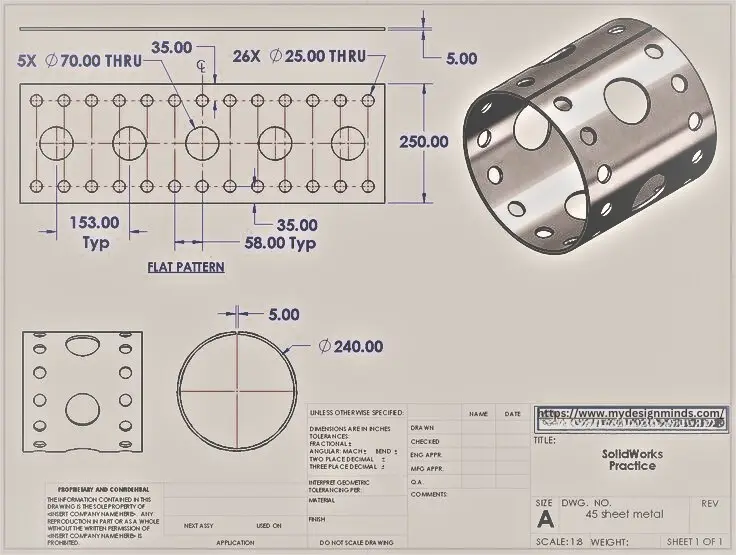
Computer-aided design provides a common digital platform for designers and engineers. Detailed 3D models allow teams to examine product geometry, component relationships, dimensions, and assemblies before physical production.
CAD models can also help identify interference, clearance, alignment, and assembly issues.
When designers and engineers work from the same digital information, design modifications can be discussed more clearly. This reduces misunderstandings and helps maintain consistency between product concepts and engineering requirements.
Reducing Development Risks
Product problems discovered after manufacturing begins can be expensive to correct. Changes may affect tooling, materials, production processes, documentation, and delivery schedules.
Early collaboration allows potential problems to be considered before the product reaches advanced development stages.
Industrial Engineering Design helps bring manufacturing and engineering considerations into the product design process. Teams can review potential production challenges, evaluate alternative solutions, and make informed decisions before committing to full-scale manufacturing.
Designing for Assembly
Manufacturing individual components is only one part of product development. Those components must also be assembled into a complete product.
A complicated assembly process can increase production time and labour requirements. Too many components, difficult fastening methods, or poor accessibility can create unnecessary challenges.
Designers and engineers can work together to simplify assemblies by reducing unnecessary parts, improving component interfaces, and selecting practical fastening methods.
This can make the final product easier to manufacture, assemble, inspect, and maintain.
Supporting Cost Efficiency
Product cost is influenced by many design and engineering decisions. Material selection, component count, manufacturing process, tolerances, tooling, assembly time, and production volume can all affect overall cost.
Engineering input during the design stage allows teams to understand these factors earlier.
For example, simplifying a component may reduce manufacturing complexity, while standardising certain parts may make procurement and assembly more manageable.
Cost-conscious design does not necessarily mean reducing product quality. Instead, it involves finding practical ways to achieve the required performance with an efficient design and manufacturing approach.
Improving Prototyping and Testing
Prototypes provide an opportunity to evaluate whether a product works as expected before production. Designers and engineers can use prototype results to identify functional, dimensional, ergonomic, or assembly-related problems.
Testing feedback can then be incorporated into the digital design.
This creates an iterative development process in which design and engineering teams continuously improve the product. Each development cycle can provide information that supports better decisions for the next version.
Supporting Product Lifecycle Thinking
A well-developed product should be considered beyond its initial launch. Maintenance, repair, upgrades, component replacement, and end-of-life requirements can influence design decisions.
Engineering teams can help evaluate durability and service requirements, while designers can consider accessibility and user interaction.
This combined approach can create products that are easier to maintain and adapt throughout their useful life.
Building a Stronger Development Workflow
The collaboration between industrial engineering and product design is most effective when it begins early. Instead of passing a finished design from one department to another, businesses can create cross-functional development teams.
Regular communication between designers, engineers, manufacturers, suppliers, and testing teams can help identify issues sooner and improve decision-making.
Industrial Engineering Design provides a structured connection between creative product concepts and practical engineering requirements. It helps businesses move from an initial idea toward a product that is functional, manufacturable, testable, and ready for production.
Conclusion
Industrial engineering and product design have complementary roles in successful product development. Design brings together customer needs, functionality, usability, and appearance, while engineering connects these requirements with technical performance, manufacturing, assembly, and reliability.
When these disciplines work together, businesses can reduce avoidable design changes, improve communication, and create products that are better prepared for manufacturing.
A collaborative approach to Product Design Engineering, Industrial Product Design, and Product Development Engineering can help businesses establish a smoother path from concept to production.
My Design Minds
My Design Minds provides integrated design, engineering, prototyping, and manufacturing support for businesses developing industrial and commercial products. Our Industrial Engineering Design approach connects product concepts with practical engineering and manufacturing requirements. We provide Product Design Engineering support for CAD modelling, component development, assemblies, prototyping, and engineering documentation. Our expertise in Industrial Product Design helps businesses develop products that balance functionality, appearance, manufacturability, and performance. Through Product Development Engineering, we support design improvements, prototype development, testing, and manufacturing preparation. By bringing design and engineering considerations together, My Design Minds helps startups, SMEs, and manufacturers reduce rework, improve communication, and move efficiently from concept to production-ready products.