Product development involves constant communication between designers, engineers, manufacturers, suppliers, and clients. When technical information is misunderstood, even a small communication gap can result in incorrect components, manufacturing delays, additional costs, or repeated design revisions.
3D Product Modeling Services provide a visual and technical foundation that helps different teams understand the same product more accurately. By creating detailed digital representations of products and assemblies, businesses can improve communication from the initial concept through manufacturing.
1. Creating a Common Visual Reference
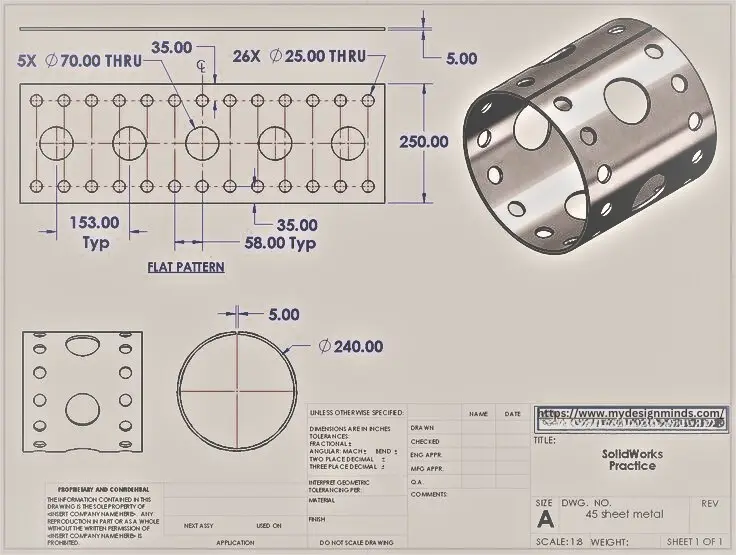
One of the biggest communication challenges in product development is that different stakeholders may interpret technical information differently. A two-dimensional drawing may be perfectly understandable to an experienced engineer but difficult for someone without extensive technical knowledge.
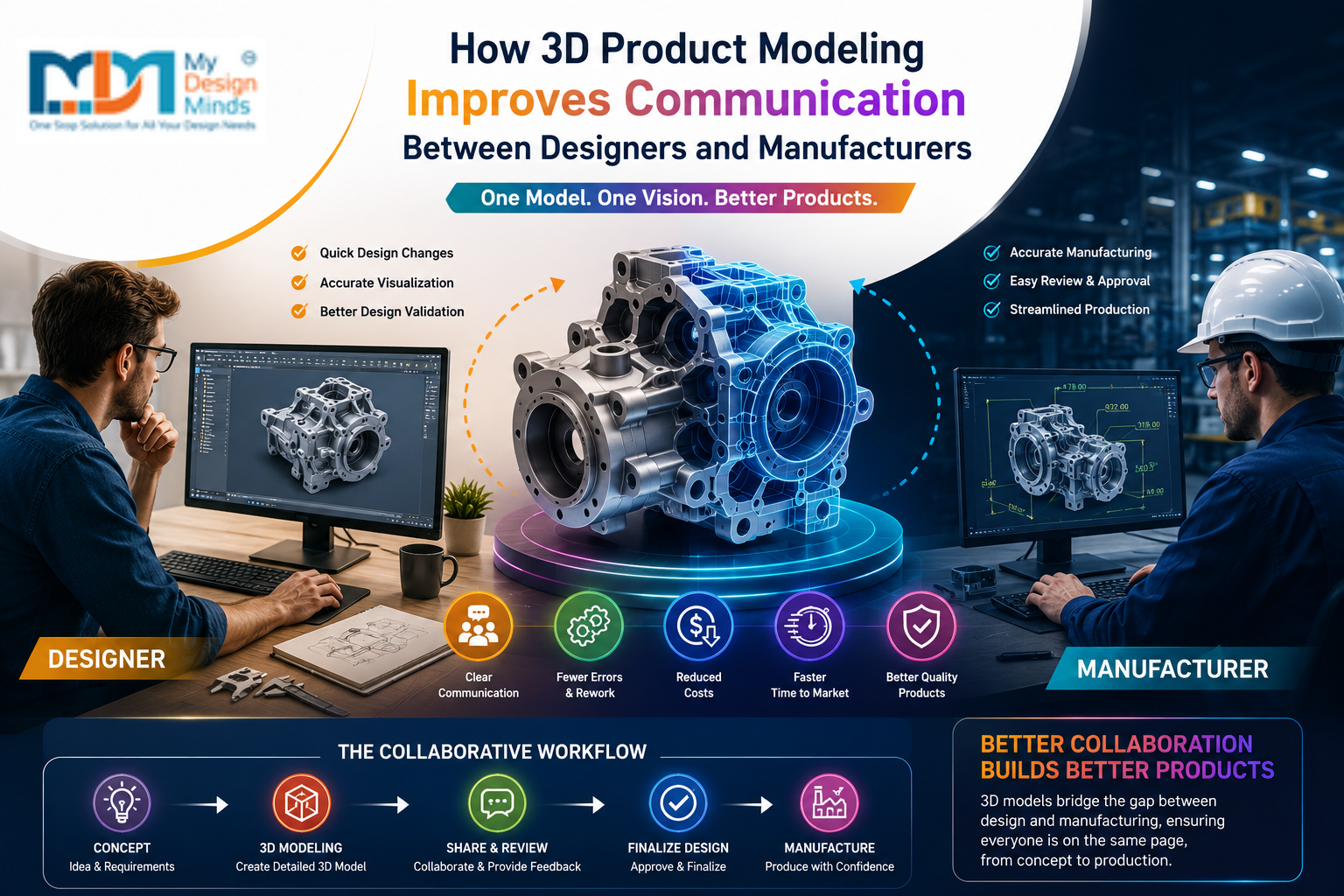
A 3D model provides a common visual reference. Designers can demonstrate the product’s overall form, individual components, assembly relationships, and important features within one digital environment.
This allows manufacturers to better understand the designer’s intent before beginning production.
2. Making Complex Designs Easier to Understand
Modern industrial products can include complicated geometries, internal mechanisms, multiple components, and intricate assemblies. Explaining these features using written descriptions alone can be challenging.
Detailed CAD Modeling Services allow teams to view complex components from different angles. Sections, exploded views, measurements, and assembly representations can further clarify how different parts interact.
This visual approach reduces ambiguity and makes technical discussions more productive.
3. Reducing Design Misunderstandings
Miscommunication can occur when manufacturers interpret dimensions, component locations, or design requirements differently from designers.
A detailed digital model can help minimize these problems by showing the intended geometry and component relationships clearly. Designers can also highlight critical areas and explain specific manufacturing requirements.
When everyone works from the same digital information, there is less room for assumptions.
4. Supporting Faster Design Reviews
Design reviews are an essential part of product development. During these reviews, engineers and manufacturers evaluate whether a product can be produced efficiently and whether the design meets technical requirements.
With 3D CAD Design, teams can review the product visually and discuss specific components or areas that may require modification.
Instead of explaining every detail verbally, designers can use the model to demonstrate proposed changes. This can make meetings shorter, clearer, and more focused.
5. Improving Manufacturing Feedback
Manufacturers often identify production-related concerns that designers may not initially consider. These can include tooling limitations, material availability, machining requirements, assembly difficulties, or production costs.
Early Manufacturing Design Collaboration allows these concerns to be addressed before the design is finalized.
Manufacturers can review digital models and provide feedback while modifications are still relatively easy to make. This helps create products that are not only technically functional but also practical to manufacture.
6. Communicating Design Changes Clearly
Product designs frequently change during development. A component may be resized, repositioned, strengthened, or replaced.
Communicating these changes through emails or written descriptions can sometimes create confusion. An updated digital model makes the revised design much easier to understand.
Designers can show precisely what has changed and manufacturers can compare the updated information with previous versions. This improves version control and reduces the possibility of producing parts based on outdated information.
7. Supporting Remote Collaboration
Many businesses work with suppliers and manufacturers located in different cities or countries. Physical meetings may not always be practical.
Digital models can be shared electronically, allowing teams to review products remotely. Designers can discuss specific components with manufacturing partners through digital meetings and provide updated files when required.
This makes Manufacturing Design Collaboration more efficient, particularly for businesses working with external manufacturing partners.
8. Improving Production Planning
Manufacturers need accurate product information to plan production processes effectively. A detailed digital model can help them understand component geometry, assembly relationships, dimensions, and manufacturing requirements.
This information can support decisions related to machining, fabrication, tooling, material selection, assembly, and inspection.
Better communication at this stage can help manufacturers prepare resources more effectively and reduce unexpected production problems.
9. Reducing Rework and Development Costs
Communication errors can become expensive when they are discovered after manufacturing has started. Incorrect components may need to be redesigned, remanufactured, or replaced.
Using 3D Product Modeling Services before production provides an opportunity to identify potential misunderstandings earlier.
Designers and manufacturers can review the digital product together, resolve questions, and confirm requirements before committing significant resources to production.
10. Creating Better Product Documentation
A well-developed digital model can support several forms of technical documentation. It can be used as a reference for engineering drawings, assembly instructions, product presentations, manufacturing information, and inspection requirements.
CAD Modeling Services can therefore contribute to a more organized product development workflow where important information remains connected to the digital product.
11. Building Stronger Designer-Manufacturer Relationships
Successful product development depends on trust and effective communication. When designers actively involve manufacturers in the development process, both sides can contribute their expertise.
Designers bring creativity, product knowledge, and user-focused thinking, while manufacturers contribute practical knowledge about production methods, materials, tooling, and assembly.
Using 3D CAD Design as a shared communication tool can help these teams work together more effectively and reach better solutions.
My Design Minds: Connecting Design With Manufacturing
My Design Minds provides professional design and engineering solutions that help businesses move from product concepts to manufacturing. Our capabilities include CAD design, product engineering, reverse engineering, 3D visualization, prototyping, and manufacturing support. We focus on creating accurate digital models that help clients communicate product requirements clearly with engineering and manufacturing teams. From concept development and detailed component modeling to assembly design and production preparation, our approach emphasizes accuracy, functionality, and manufacturability. My Design Minds supports startups, entrepreneurs, and established businesses with practical solutions tailored to their product requirements. By combining design expertise with engineering and manufacturing knowledge, we help reduce communication gaps, minimize rework, improve development efficiency, and support a smoother journey from initial idea to finished product.