Introduction
The automotive industry requires products that combine precision, performance, safety, durability, and manufacturability. From engine components and brackets to vehicle interiors and complex assemblies, every component needs to meet specific dimensional and functional requirements. Digital design technologies have therefore become an important part of modern automotive product development.
Automotive CAD Design Services help engineers create accurate digital representations of components before physical manufacturing begins. These models allow design teams to visualise products, refine dimensions, examine assemblies, and identify potential issues during the development process.
CAD modelling also creates a digital foundation for prototyping, engineering analysis, documentation, tooling, and manufacturing.
Creating Accurate Automotive Components
Automotive components often contain complex geometries, precise dimensions, and multiple interacting features. Traditional two-dimensional drawings alone may not provide enough information to understand these relationships.
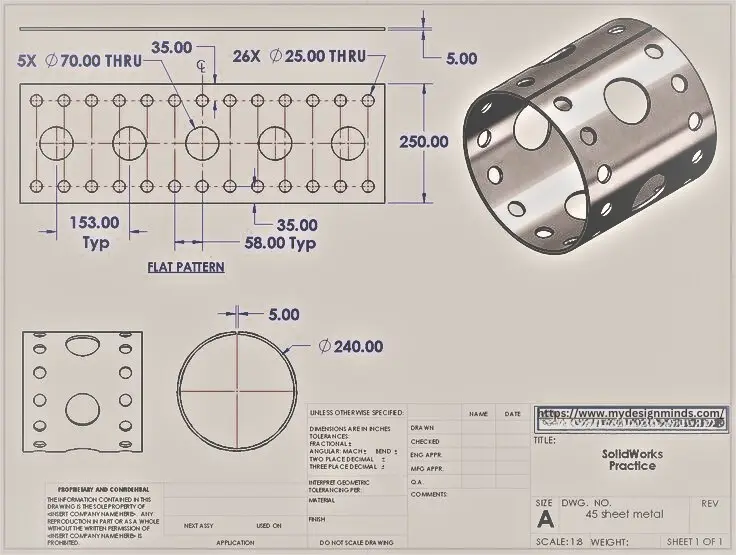
Automotive CAD Modeling enables engineers to develop detailed three-dimensional components with defined dimensions, surfaces, holes, mounting points, and other technical features. Designers can examine components from different angles and modify individual features without recreating the complete design.
This level of digital accuracy can support better communication between design, engineering, manufacturing, and quality teams.
Supporting Complex Assemblies
A vehicle contains numerous components that must work together within limited spaces. A component may be correctly designed individually but still create problems when integrated with surrounding parts.
CAD assembly models allow engineers to examine how different components fit together. Potential interference, clearance issues, alignment problems, and accessibility concerns can be identified before physical prototypes are produced.
Using 3D CAD Modeling, teams can review complete assemblies and understand component relationships more clearly. This is particularly useful for complex automotive systems where many parts need to interact precisely.
Improving Design Modifications
Automotive development frequently involves design changes. Customer requirements, performance targets, material selections, manufacturing constraints, or testing results may require modifications.
Digital CAD models make these changes easier to manage. Engineers can adjust dimensions, modify geometry, add features, or create alternative configurations while maintaining accurate digital design data.
This flexibility can reduce the effort involved in repeated design revisions and help teams maintain consistency across drawings and related engineering documentation.
Supporting Prototyping and Testing
Before an automotive component enters production, prototypes may be developed to evaluate fit, functionality, strength, or other performance requirements.
Accurate CAD data provides the foundation for creating prototypes using processes such as CNC machining, 3D printing, or other manufacturing methods. The same digital model can also support engineering analysis and comparison between expected and physical results.
When prototype testing identifies a problem, engineers can return to the CAD model, modify the design, and prepare an updated version for further evaluation.
Improving Manufacturing Readiness
A successful automotive design must not only perform its intended function but also be practical to manufacture. Design decisions can affect tooling, machining, moulding, assembly, material consumption, and production costs.
Automotive Component Design therefore needs to consider manufacturing requirements from an early stage. CAD models can help engineers review wall thickness, tolerances, part interfaces, draft requirements, machining access, and other production considerations.
Early design review can reduce the possibility of discovering manufacturing problems after production preparation has already begun.
Enhancing Collaboration
Automotive projects often involve multiple teams, suppliers, manufacturers, and customers. Clear communication is essential when a component passes through several stages of development.
A detailed CAD model provides a common visual and technical reference. Engineers can use the model to explain design intent, discuss modifications, review assembly relationships, and communicate requirements with manufacturing partners.
This can reduce misunderstandings and make technical discussions more efficient, particularly when project teams are working from different locations.
Supporting Lightweight and Efficient Designs
Weight reduction is an important consideration in many automotive applications. Reducing unnecessary material while maintaining required strength and performance can support more efficient component development.
CAD modelling allows engineers to explore different geometries and configurations before committing to physical production. Components can be refined to remove unnecessary features or material while maintaining their required functionality.
Digital design can therefore support the development of components that balance performance, durability, weight, and manufacturability.
Preparing Engineering Documentation
Automotive component development requires accurate technical documentation. Manufacturing teams may need drawings, dimensions, tolerances, material specifications, assembly information, and other technical details.
CAD models can serve as the foundation for preparing these documents. Consistent digital information can help reduce discrepancies between the three-dimensional model and associated drawings.
Well-organised documentation also supports communication between product development and manufacturing teams.
Supporting Faster Product Development
Automotive markets are highly competitive, and companies continuously develop new components, improve existing products, and respond to changing customer requirements.
Using Automotive CAD Design Services can help businesses establish a structured digital development workflow. From initial concept and component modelling to assembly review, prototyping, documentation, and manufacturing preparation, CAD can connect multiple stages of the product development process.
This integrated approach helps teams identify and address design concerns before they become more expensive production problems.
Conclusion
CAD modelling has become an important part of modern automotive component development. It helps engineers create accurate designs, review complex assemblies, support prototyping, improve manufacturing readiness, and communicate technical information more effectively.
When combined with engineering analysis, testing, and manufacturing knowledge, Automotive CAD Design Services can provide a strong digital foundation for developing reliable and production-ready automotive components.
My Design Minds
My Design Minds provides integrated product design, engineering, prototyping, and manufacturing support for automotive and industrial businesses. Our Automotive CAD Design Services help clients develop accurate and production-ready components using detailed digital models. We support Automotive CAD Modeling for individual parts, complex assemblies, design modifications, and manufacturing preparation. Our expertise in Automotive Component Design considers functionality, dimensions, assembly relationships, and manufacturability. Through 3D CAD Modeling, we help businesses visualise components, identify potential design issues, and improve communication between engineering and manufacturing teams. From concept development and CAD modelling to prototyping and engineering documentation, My Design Minds supports efficient product development.